
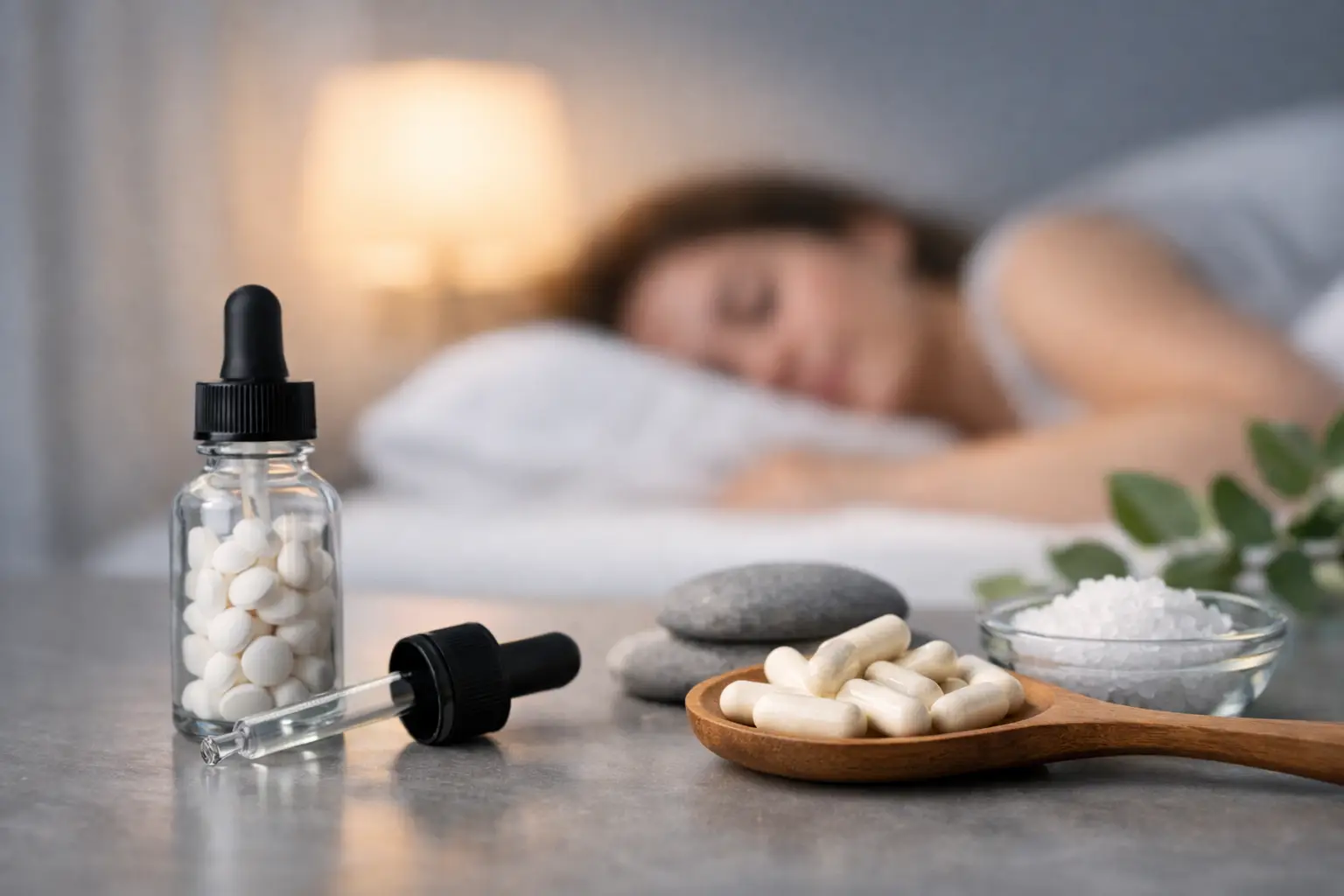
Some nights, the problem is obvious – your brain still thinks it’s 2 p.m. at 11:30 p.m. Other nights, your body feels tight, restless, and not ready to power down. That’s why the melatonin vs magnesium for sleep question matters so much. They’re both popular, both easy to find, and both sold as sleep support – but they’re not doing the same job.
If you want to shop smarter, not just buy the trendiest bottle on the shelf, it helps to know which one actually matches your sleep problem. One is more about timing. The other is more about relaxation. And if you pick the wrong fit, you can end up disappointed even with a best seller.
Melatonin vs magnesium for sleep: what’s the real difference?
Melatonin is a hormone your body naturally makes when it gets dark. Its main job is to signal that it’s time to sleep. That makes it more useful for people whose sleep schedule feels off, like frequent travelers, shift workers, or anyone who gets tired too late and wants to reset bedtime.
Magnesium is a mineral involved in hundreds of body functions, including muscle function, nerve signaling, and relaxation. It doesn’t tell your body what time it is. Instead, it may help you feel calmer physically and mentally, especially if tension, stress, or muscle tightness are keeping you alert.
That difference is the big one. Melatonin supports your sleep-wake rhythm. Magnesium supports your ability to relax into sleep.
A lot of shoppers lump them together because both sit in the sleep aisle and both promise calmer nights. But choosing between them gets easier when you stop asking, Which one is better? and start asking, Why am I not sleeping?
When melatonin makes more sense
Melatonin tends to be the better pick when your timing is the issue. Maybe you feel wide awake late at night, then groggy in the morning. Maybe travel knocked your schedule sideways. Maybe your routine has been inconsistent for weeks, and you want help nudging it back.
In those cases, melatonin can be a practical short-term tool. It works best when your goal is to encourage sleepiness at the right time, not force sleep no matter what. That distinction matters because melatonin is not a knockout supplement. If your room is bright, your phone is in your face, and your bedtime shifts every night, it may not feel as helpful as you hoped.
The trade-off is that melatonin can be easy to misuse. More is not always better. Some people take high doses expecting stronger results, then wake up feeling groggy or off the next day. Others use it nightly for months when what they really need is a better routine, less evening light exposure, or support for stress.
If your main issue is jet lag or a messed-up schedule, melatonin often has the clearer use case. If your main issue is that your body won’t settle down, it may not be the most satisfying first pick.
When magnesium is the better fit
Magnesium usually makes more sense when sleep feels blocked by tension. That can look like racing thoughts, an edgy feeling at bedtime, post-workout tightness, or that wired-but-tired state where you want sleep but don’t feel settled enough to get there.
This is why magnesium has become such a strong favorite in sleep and relaxation routines. For many people, it feels less like flipping a sleep switch and more like lowering the background noise. That can be especially appealing if your evenings are packed, your stress is high, or you want support that fits a broader wind-down routine.
There’s also a lifestyle angle here. Some adults may not get enough magnesium from food alone, especially if their diet is inconsistent. In that case, magnesium support may do more than just help at bedtime. It can feel like a more all-around wellness play.
Still, it’s not perfect for every shopper. Magnesium may be less dramatic if your sleep problem is mostly schedule-related. And different forms matter. Some are marketed more for relaxation, while others are more likely to bother digestion. If you’ve ever bought a buzzy supplement because it was trending and then realized it didn’t fit your body, you already know why details matter.
Melatonin vs magnesium for sleep if stress is your main issue
If stress is what keeps you up, magnesium often wins the first look. That’s because stress-related sleep issues usually have a body component and a mind component. You might feel mentally switched on, physically tight, or both. Magnesium is often chosen for that calmer, more grounded feel.
Melatonin can still help if stress has pushed your bedtime later and later, but it may not address the reason you’re awake in the first place. In plain terms, melatonin may help signal bedtime, while magnesium may help you feel ready for it.
That’s a big difference for busy adults who aren’t just dealing with bad sleep hygiene. They’re dealing with real life – late emails, workouts after work, family schedules, overstimulation, and a brain that doesn’t shut off on command.
Which one works faster?
Melatonin often feels more targeted and faster when your body clock is off. You take it with the goal of shifting sleep timing, so the effect can feel more obvious when used correctly.
Magnesium is usually more subtle. Some people feel the difference quickly, especially if they’ve been low in magnesium or carry a lot of evening tension. For others, it works better as part of a routine than as a one-night fix.
That’s worth keeping in mind if you’re shopping for immediate results. If you want something that supports a bedtime reset before a trip or after a run of late nights, melatonin may look more appealing. If you want something that fits a longer-term unwind routine, magnesium may feel like the smarter cart add.
Can you take both?
Some people do use both, because they address different parts of the sleep equation. Melatonin can support timing, and magnesium can support relaxation. That said, stacking supplements just because both are popular is not the same as having a strategy.
If you’re considering both, the key question is whether you truly need both. If your issue is clearly one or the other, starting with a single option makes it easier to judge what’s helping. It also keeps your routine simpler, which usually means you’ll stick with it.
And simple wins. Most shoppers don’t need a six-product nighttime routine. They need the right match, a consistent bedtime, and fewer impulse buys that end up forgotten in the cabinet.
How to choose the better option for your routine
Think of melatonin as the better match for schedule problems and magnesium as the better match for relaxation problems. That won’t cover every case, but it’s a useful shortcut.
If you struggle after travel, bedtime drift, or late-night alertness, melatonin is usually the more targeted option. If you struggle with stress, physical tension, or the feeling that your body never fully powers down, magnesium is often the more natural fit.
Your routine matters too. If you want occasional support, melatonin may be the cleaner choice. If you want a broader wellness staple that may support calm evenings along with other daily functions, magnesium may offer more everyday appeal.
Price and product quality matter as well. Sleep supplements are crowded, and not every formula earns a spot in your routine. Look for clear labeling, sensible serving sizes, and products designed around your actual goal instead of flashy claims. That’s the kind of filter that helps you avoid overspending on hype. If you’re browsing sleep and relaxation support on FitVibesOnline, keep that results-first mindset and shop for the problem you want solved, not just the ingredient everyone is posting about.
The bottom line on melatonin vs magnesium for sleep
There isn’t one universal winner because they solve different problems. Melatonin is usually the better fit when your sleep timing is off. Magnesium is often the better fit when stress, restlessness, or tension are getting in the way.
The smartest buy is the one that matches your nights. If your body clock needs a nudge, melatonin may be the move. If your body needs help calming down, magnesium may be the better value. Start there, keep your routine realistic, and give your sleep support a real chance to work.