
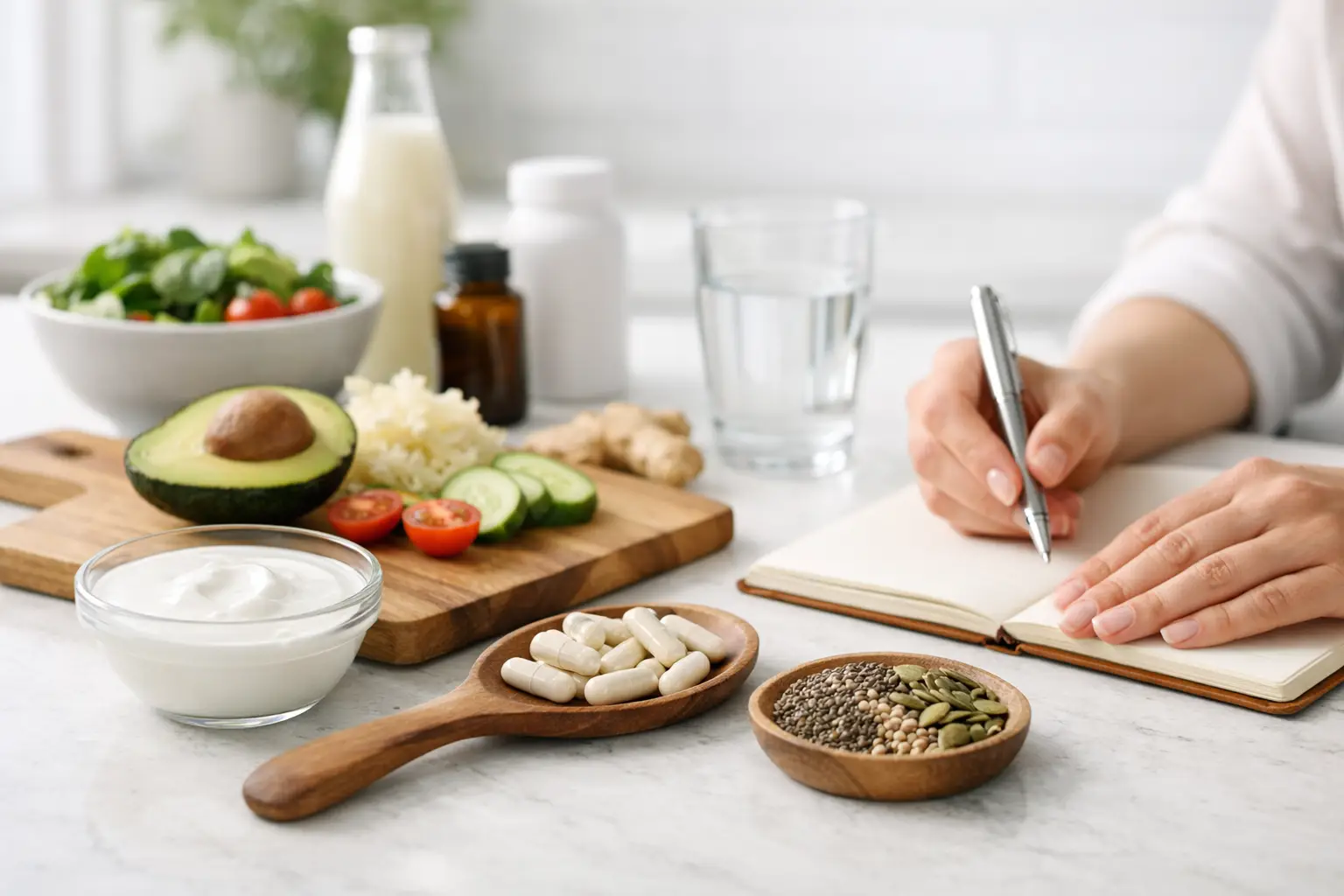
Your stomach does not care that you bought three trendy supplements at 1 a.m. after seeing a flash sale. It cares about what you do most days – what you eat, how stressed you are, whether you sleep enough, and whether your routine is actually consistent.
That is why a guide to starting a gut health routine should begin with one truth: simpler usually works better. If your digestion feels off, your energy is dragging, or your skin and mood seem more unpredictable than usual, the goal is not to try everything at once. The goal is to build a routine you can stick with long enough to notice real results.
Why a gut health routine works better than random fixes
A lot of people treat gut support like a rescue mission. They wait until bloating, irregularity, or post-meal discomfort gets annoying, then they throw in a probiotic, a greens powder, or a fiber supplement for a few days and hope for a quick turnaround.
Sometimes that helps. More often, it creates a start-stop cycle that never gives your body enough consistency to respond. Gut health tends to reward repetition. Your digestive system likes regular meals, enough fluids, movement, sleep, and steady support far more than occasional wellness heroics.
There is also a trade-off here. Fast-acting products can be helpful when you need relief, but they are not always the same thing as a sustainable routine. If you want less bloating, more regularity, and a better baseline day to day, your habits matter as much as the products you buy.
Guide to starting a gut health routine without overcomplicating it
Start with your current reality, not your ideal one. If you are skipping breakfast, eating on the run, drinking very little water, and sleeping five hours a night, a perfect supplement stack is not going to carry the whole load. The good news is that you do not need a perfect reset. You need a few smart upgrades.
A solid beginner routine usually has four parts: regular meals, enough fiber, enough water, and one targeted support product if needed. That is the base. Once that feels easy, you can layer in more.
Step 1: Pick one anchor meal
If your schedule is chaotic, choose one meal you can make more gut-friendly every day. Breakfast is often the easiest place to start because it sets the tone early and gives you a simple repeatable win.
That could look like Greek yogurt with berries and chia seeds, oatmeal with flax, or eggs with fruit and whole-grain toast. If dairy does not sit well with you, swap accordingly. The point is not to chase the perfect food. The point is to create one reliable meal that gives your system some stability.
This matters because gut-friendly eating is less about one superfood and more about patterns. A decent meal you actually eat five times a week beats a complicated plan you abandon by Thursday.
Step 2: Increase fiber slowly
Fiber gets a lot of hype, and for good reason. It helps support regularity and feeds beneficial gut bacteria. But this is where people often go too hard, too fast.
If your usual intake is low, jumping straight into high-fiber cereals, beans, supplements, and raw vegetables all at once can leave you feeling worse before you feel better. More gas and bloating does not always mean fiber is bad for you. It can just mean your body needs time to adjust.
Start by adding one fiber-rich food per day, then build from there. Oats, berries, kiwi, lentils, apples, chia, ground flax, and cooked vegetables are practical options. If you want to use a fiber supplement, begin with a small serving and give it at least a week before increasing.
Step 3: Hydration is not optional
Fiber without water is a bad deal. If you are adding more plants or a fiber supplement but still barely drinking fluids, do not be surprised if your digestion feels stuck.
You do not need a gallon challenge. You do need more consistency. Keep water visible, pair it with meals, and add an extra glass when increasing fiber. Herbal tea can help too, especially if plain water gets boring.
This is one of those low-glamour habits that does more than people think. It is not trendy, but it earns its spot.
Should you take a probiotic right away?
Maybe. This is where it depends.
A probiotic can be a smart add-on if you want extra digestive support, especially if your routine is already getting more consistent. It may be worth considering after travel, after antibiotics, or if you are trying to support regularity and balance. But probiotics are not one-size-fits-all, and more expensive does not always mean better.
Some people notice changes quickly. Others need a few weeks. Some feel no difference at all with one formula and do better with another. That is why buying based on your goal makes more sense than buying the loudest label.
If bloating is your main issue, your needs may differ from someone focused on regularity. If dairy tends to bother you, fermented foods might not be your favorite entry point. If your digestion is very sensitive, starting with food first and adding a supplement later may be the smoother move.
When shopping, keep it simple. Look for digestive health products that clearly explain the intended benefit, serving size, and how they fit into a daily routine. A curated option can save time if you do not want to scroll through endless choices trying to decode wellness marketing on your own.
Other products that can support your routine
Depending on your needs, you might also consider digestive enzymes, prebiotic fiber, magnesium, or greens powders. None of these are automatic must-buys. They are tools.
Digestive enzymes may help some people with heavier meals. Prebiotic fiber can support beneficial bacteria but may need a gentler ramp-up. Magnesium can be helpful for some routines, especially if stress and sleep are also off. Greens powders are convenient, but they should not replace actual meals and produce.
Shop for the outcome you want, not the biggest claim on the label. Better regularity, less occasional bloat, more consistency after meals – those are clearer targets than broad promises.
What to avoid when starting
The biggest mistake is stacking too many changes at once. New probiotic, new protein powder, greens powder, fiber gummies, kombucha every day, no gluten, no dairy, and a cleanse drink on top? That is not a routine. That is chaos with good branding.
You want to know what is helping and what is not. That means introducing changes one at a time when possible. It also helps to keep a quick note on what you took, what you ate, and how you felt. Not forever. Just long enough to notice patterns.
Another common mistake is expecting overnight results. Some changes, like reduced heaviness after meals, may show up quickly. Others take longer. Regularity, bloating patterns, and how your body handles certain foods can shift over a few weeks, not a few hours.
A simple 7-day starter rhythm
If you want this guide to starting a gut health routine to feel practical, here is a realistic first week. Pick one gut-friendly breakfast, add one fiber-rich food daily, drink water with each meal, and take one digestive support product consistently if you choose to use one. Keep lunches and dinners normal, just slightly more balanced where you can.
Try not to grade every day like a pass-fail test. If you eat takeout twice, that is fine. If you miss a supplement, take the next dose as directed and keep moving. A routine becomes effective when it survives normal life.
By the end of the week, ask yourself a few basic questions. Do you feel more regular? Less bloated? More comfortable after meals? If yes, stay with the plan. If not, adjust one variable instead of scrapping everything.
When your gut routine should change
Your routine should match your season of life. Travel, stress, workouts, sleep changes, antibiotics, and diet shifts can all affect digestion. What works during a calm month might not be enough during a high-stress stretch.
That does not mean you need a total reset every time. It means your baseline habits should stay steady while your product choices can flex. During busier weeks, convenience matters more. That is where having a few trusted digestive health options ready to go can save you from impulse buys and wasted money.
If you want a faster way to shop by wellness goal instead of comparing random products for hours, FitVibesOnline makes that process easier. It is built for people who want results-focused picks, practical savings, and less guesswork.
Keep it consistent enough to count
Gut health is not built by one perfect grocery haul or one supplement that looked great on sale. It is built by repeatable choices that help your body feel more predictable over time. Start small, shop smart, and give your routine enough consistency to actually do its job.
The best routine is the one you will still be following next month, because that is when small changes start paying off.