
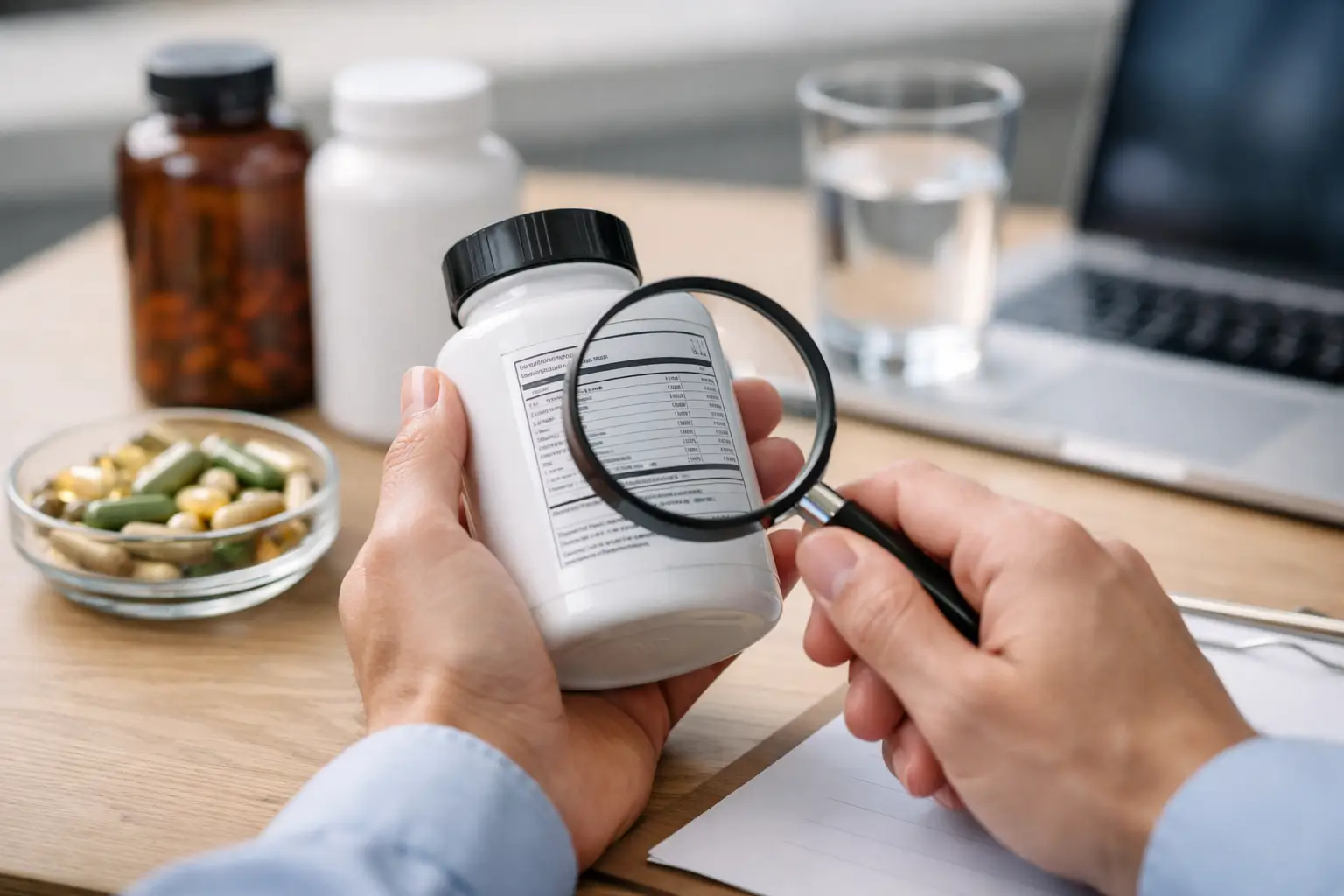
That flashy front label saying stress support, better sleep, or immune defense? It is doing what marketing is supposed to do – grab your attention fast. But if you want real value, this guide to reading supplement facts labels helps you look past the hype and figure out what you are actually buying before you hit add to cart.
For shoppers who want results without wasting money, the label is where the real story lives. It tells you how much of an ingredient you are getting, how many capsules count as one serving, whether a formula is packed with fillers, and whether the product fits your goals. Once you know what to scan for, comparing two supplements takes minutes instead of guesswork.
Why supplement facts labels matter
Most wellness shoppers are not short on options. They are short on clarity. One product promises calm nights, another says sharper focus, and a third claims all-day energy. The front of the bottle sells the outcome. The Supplement Facts panel tells you whether the formula has a real shot at delivering it.
This matters even more when you are shopping by goal. If you are looking for sleep support, digestion help, immunity, or weight management, you need more than a trendy ingredient name. You need the actual amount, the serving size, and the full ingredient list. A lower price can be a great deal, but not if the formula is underdosed or requires four servings a day to match a competitor.
Your guide to reading supplement facts labels step by step
Start with serving size
Serving size is the first thing to check because it changes how you read everything below it. If the label says one serving equals two capsules, all the ingredient amounts listed apply to those two capsules, not one.
This is where shoppers get tripped up. A bottle may look affordable until you realize the daily serving is three gummies or four capsules. That means the bottle runs out faster, and your real monthly cost goes up. If you are comparing deals, serving size is just as important as sticker price.
Check servings per container
Right below serving size, you will usually see servings per container. This tells you how long the product lasts if you follow the recommended use. A 60-capsule bottle might be a 30-day supply or only a 15-day supply depending on serving size.
If you are trying to shop smarter, this number helps you compare true value. Two products can look similar on the shelf and be very different when you break them down by cost per serving.
Read the active ingredients, not just the hero ingredient
Many supplements are marketed around one standout ingredient, but the panel often shows a full blend. That matters. A sleep formula might feature melatonin on the front, but the label could also include magnesium, L-theanine, lemon balm, or chamomile. An energy product might spotlight caffeine while the formula leans heavily on B vitamins or adaptogens.
Look at the entire formula and ask a simple question: does this combination match what I want? If you want calm focus during the workday, an ingredient profile built around heavy sedation probably is not the best fit. If you want workout energy, a formula with tiny amounts of stimulants and a lot of filler may disappoint.
Pay attention to the amount per serving
This is where a lot of labels separate strong formulas from weak ones. The ingredient name alone is not enough. You need the amount per serving listed next to it, usually in milligrams, micrograms, or grams.
That number helps you compare products fast. If two immunity supplements both contain vitamin C and zinc, but one has much lower amounts, the lower price may not be the bargain it seems. The same goes for collagen, magnesium, probiotics, and mushroom blends. More is not always better, but a tiny amount of a trendy ingredient is often there for label appeal more than real impact.
Understand percent Daily Value
Percent Daily Value, shown as %DV, tells you how much a serving contributes to a general daily intake for certain nutrients like vitamins and minerals. It can be useful, but it does not tell the whole story.
For vitamins like vitamin D, vitamin C, or zinc, %DV gives you a quick benchmark. But many herbal ingredients, amino acids, enzymes, and specialty compounds do not have an established Daily Value. When you see a blank space or an asterisk saying Daily Value not established, that is normal. It does not automatically mean the ingredient is bad or ineffective. It just means there is no standard %DV for that ingredient.
Watch for proprietary blends
Proprietary blends are one of the biggest reasons to slow down before buying. Instead of listing the exact amount of each ingredient, the label groups several ingredients together under one total blend weight.
That can make it harder to know what you are really getting. For example, a stress support blend might total 600 mg, but that number could be mostly inexpensive filler ingredients with only a small amount of the ingredient featured on the front. Sometimes proprietary blends are fine, but they reduce transparency. If you like knowing exactly what is in your formula, fully disclosed labels are easier to trust and compare.
The other ingredients section matters more than most people think
Turn your attention below the Supplement Facts panel and you will usually find Other Ingredients. This section lists things that help make the capsule, gummy, powder, or tablet – such as gelatin, cellulose, natural flavors, sweeteners, colors, silicon dioxide, or magnesium stearate.
This is not the glamorous part of the label, but it can still affect your buying decision. If you avoid artificial colors, added sugar, soy, dairy, or gelatin, this is where to check. It is also where gummy supplements sometimes look less impressive. A tasty gummy may fit your routine better, but it can come with sugar, syrups, and lower active ingredient levels compared with capsules or powders. Convenience matters, but there is often a trade-off.
Allergen statements and warnings are not filler text
Many shoppers skip the warning section, especially if they have used supplements before. That is a mistake. This area can tell you if the product contains common allergens, whether it should be avoided during pregnancy, or whether it may interact with medications.
If you are sensitive to caffeine, herbs, or certain sweeteners, the warning section can save you from a rough experience. If you are already taking medications or managing a health condition, this part is worth reading carefully. Fast shopping is great. Blind shopping is expensive.
Label clues that help you shop smarter
A good label does not need to be fancy. It needs to be clear. When a supplement is easy to understand, it is easier to compare, budget for, and fit into your routine.
Look for formulas that tell you exactly how much of each key ingredient you are getting, how often to take it, and how long the container lasts. If a product makes huge benefit claims on the front but gives vague details in the facts panel, that is a sign to keep browsing.
Also think about format. Capsules are usually compact and simple. Powders can offer bigger serving sizes for ingredients like collagen, creatine, or greens. Gummies win on taste and convenience, but sometimes lose on potency or sugar content. The best pick depends on what you will actually use consistently.
Common mistakes people make when reading labels
The first is focusing only on the front-of-package promise. Better sleep, lean support, gut balance, and radiant skin all sound great, but they are not enough on their own.
The second is ignoring serving math. A bottle can look like a steal until the suggested use turns it into a two-week supply. The third is assuming more ingredients means a better formula. Sometimes a focused product with fewer ingredients is easier to understand and use.
Another common miss is confusing trendy with effective. A label packed with buzzworthy ingredients can look exciting, but if the amounts are tiny or hidden in a blend, the formula may not be as impressive as the marketing suggests.
How to compare two supplements in under two minutes
When you are deciding between similar products, keep it simple. Check the serving size, servings per container, key ingredient amounts, and whether the label uses proprietary blends. Then look at the other ingredients and warnings.
That quick scan tells you most of what you need to know. You do not need to become a nutrition scientist to make a better choice. You just need a repeatable way to separate strong value from clever packaging.
If you like shopping by outcome, this process gets even easier over time. Once you know what matters for your goal – sleep, stress, digestion, energy, immunity, or beauty support – you can sort through options with more confidence and less second-guessing. That is the real win. Not buying more supplements, but buying smarter ones.
For shoppers who want savings and simplicity, the label is your shortcut. Learn to read it once, and every future purchase gets faster, clearer, and a lot more worth it.